Running a small business means wearing many hats — and managing sales efficiently is one of the toughest. Enter AI-powered Sales CRM software for small business: your smart, scalable solution to boost conversions, save time, and predict customer behavior with stunning accuracy.
Why AI-powered Sales CRM software for small business is a game-changer

Small businesses today face fierce competition, limited resources, and ever-rising customer expectations. Traditional CRM systems often fall short because they rely heavily on manual data entry and lack predictive capabilities. This is where AI-powered Sales CRM software for small business steps in — transforming how teams manage leads, nurture relationships, and close deals.
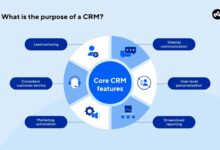
Unlike legacy systems, modern AI-driven CRMs learn from your data. They analyze customer interactions, forecast sales trends, and automate repetitive tasks. According to Gartner, organizations using AI in CRM report up to 30% higher sales conversion rates and a 25% reduction in operational costs.
From reactive to proactive sales
Traditional CRMs are reactive — they record what happened. AI-powered systems, however, are proactive. They anticipate what’s likely to happen next. For example, if a lead visits your pricing page three times in a week, the AI flags them as high-intent and suggests immediate follow-up.
This shift from passive tracking to intelligent prediction allows small businesses to act faster and smarter, even without a large sales team.
- AI detects behavioral patterns across emails, calls, and website visits
- It prioritizes leads based on engagement and likelihood to convert
- Automated alerts ensure no hot lead slips through the cracks
Cost-efficiency and scalability
One of the biggest concerns for small businesses is cost. Hiring more sales reps or investing in complex software suites isn’t always feasible. AI-powered Sales CRM software for small business offers a cost-effective alternative by automating tasks that would otherwise require human labor.
For instance, AI can draft personalized follow-up emails, schedule meetings, and even suggest the best time to call a prospect — all without human intervention. This means a team of five can operate like a team of ten.
“AI doesn’t replace salespeople — it empowers them to focus on what they do best: building relationships.” — Forbes
Top 7 features of AI-powered Sales CRM software for small business
Not all CRMs are created equal. The real power lies in the AI-driven features that turn raw data into actionable insights. Here are the seven most impactful features small businesses should look for in an AI-powered Sales CRM software for small business.
1. Predictive lead scoring
Predictive lead scoring uses machine learning to rank prospects based on their likelihood to convert. Instead of guessing which leads to prioritize, the AI analyzes historical data — such as email opens, website clicks, and past purchases — to assign a score.
This means your sales team spends time on leads that are actually ready to buy, not just browsing. Platforms like Salesforce Sales Cloud and Zoho CRM offer robust AI-powered lead scoring tools tailored for small businesses.
- Reduces time wasted on low-quality leads
- Increases conversion rates by focusing on high-potential prospects
- Learns and improves accuracy over time
2. Intelligent email automation
Email remains one of the most effective sales channels, but personalization at scale is hard. AI-powered Sales CRM software for small business solves this with intelligent email automation.
These systems don’t just send templated emails. They analyze a prospect’s behavior and tailor the message accordingly. For example, if a lead downloaded a product guide, the AI might trigger a follow-up email with a case study and a personalized video message.
Tools like HubSpot CRM use natural language processing (NLP) to suggest subject lines and content that resonate with specific buyer personas.
3. Sales forecasting with AI accuracy
Accurate sales forecasting is critical for inventory planning, budgeting, and growth strategy. Traditional forecasting methods are often based on gut feeling or outdated spreadsheets. AI-powered Sales CRM software for small business uses real-time data to generate highly accurate forecasts.
The AI analyzes deal stages, historical close rates, team performance, and market trends to predict monthly or quarterly revenue with up to 90% accuracy, according to McKinsey.
- Identifies potential revenue risks early
- Helps set realistic sales targets
- Enables proactive adjustments to sales strategy
How AI-powered Sales CRM software for small business boosts productivity
Time is the most valuable resource for small business owners. AI-powered Sales CRM software for small business dramatically increases productivity by automating routine tasks and providing intelligent insights.
Automated data entry and logging
Sales reps spend nearly 34% of their time on administrative tasks like logging calls, updating deal stages, and entering contact details — time that could be spent selling. AI eliminates this burden through automated data entry.
For example, when a sales rep finishes a call, the AI automatically transcribes the conversation, extracts key details (like next steps or objections), and updates the CRM record. This not only saves time but also improves data accuracy.
- Integrates with email and calendar to auto-log interactions
- Uses voice recognition to capture call notes
- Reduces manual errors in customer records
Smart task and follow-up reminders
Following up with leads at the right time is crucial. AI-powered Sales CRM software for small business uses behavioral data to determine the optimal time to reach out.
If a prospect opens your email but doesn’t reply, the AI might suggest sending a follow-up in 48 hours. If they visit your pricing page after hours, it might recommend a call the next morning. These smart reminders ensure consistency without overwhelming your team.
“AI-driven follow-ups increase response rates by up to 50% compared to manual scheduling.” — Harvard Business Review
Choosing the right AI-powered Sales CRM software for small business
With dozens of options on the market, selecting the right AI-powered Sales CRM software for small business can be overwhelming. The key is to focus on your specific needs, budget, and ease of use.
Key selection criteria
Not every AI CRM is built for small businesses. Look for platforms that offer:
- Easy onboarding and intuitive interface
- Scalable pricing (pay-as-you-grow models)
- Strong AI features without requiring technical expertise
- Integration with tools you already use (e.g., Gmail, Slack, Zoom)
For example, Pipedrive is known for its visual sales pipeline and AI-powered activity suggestions, making it ideal for small teams with limited CRM experience.
Top 5 AI-powered CRM platforms for small businesses
Here are five of the best AI-powered Sales CRM software for small business options in 2024:
- Pipedrive: Excellent for visual pipeline management and AI-driven sales predictions.
- HubSpot CRM: Free tier with powerful AI email tools and seamless marketing integration.
- Zoho CRM
- Salesforce Essentials: A simplified version of Salesforce with AI insights via Einstein Analytics.
- Insightly: Great for project-based small businesses with AI-powered relationship mapping.
Each of these platforms offers a free trial or freemium model, allowing you to test the AI features before committing.
Real-world impact: Case studies of small businesses using AI-powered CRM
Theoretical benefits are great, but real-world results matter more. Let’s look at how actual small businesses have transformed their sales operations using AI-powered Sales CRM software for small business.
Case Study 1: Local Marketing Agency Boosts Conversions by 40%
A 10-person digital marketing agency in Austin struggled with inconsistent follow-ups and poor lead tracking. After implementing HubSpot CRM with AI-powered email sequencing, they saw a 40% increase in lead conversion within three months.
The AI identified high-intent leads based on content downloads and email engagement, then triggered personalized nurture sequences. The sales team reported spending 50% less time on admin and 30% more time on client calls.
Case Study 2: E-commerce Store Reduces Churn with Predictive Analytics
An online fashion retailer with 15 employees used Zoho CRM’s AI to analyze customer behavior and predict churn. The system flagged customers who hadn’t made a purchase in 60 days and suggested personalized discount offers.
As a result, they recovered 22% of at-risk customers and increased repeat purchase rates by 18% in six months. The AI also optimized email send times, boosting open rates by 35%.
“We went from guessing what our customers wanted to knowing — and that changed everything.” — CEO, StyleLoop Boutique
Common challenges and how to overcome them
Adopting AI-powered Sales CRM software for small business isn’t without challenges. However, most obstacles can be overcome with the right approach.
Data quality and integration issues
AI is only as good as the data it’s trained on. Many small businesses struggle with incomplete or outdated customer records. To maximize AI effectiveness, clean your data before migration.
Most CRM platforms offer data import tools and deduplication features. Start by consolidating contact lists, removing inactive leads, and standardizing formats (e.g., phone numbers, addresses).
- Use CRM onboarding services or consultants if needed
- Set up regular data audits to maintain quality
- Integrate with existing tools to ensure real-time sync
Team resistance and training gaps
Some sales reps fear AI will replace them or complicate their workflow. The key is to position AI as an assistant, not a replacement.
Provide hands-on training and highlight time-saving benefits. Show how AI handles mundane tasks so they can focus on building relationships. Gamify adoption with rewards for using AI features like automated logging or predictive scoring.
Future trends in AI-powered Sales CRM software for small business
The AI revolution in CRM is just beginning. As technology evolves, small businesses will gain access to even more powerful tools at affordable prices.
Voice-powered CRM assistants
Imagine saying, “Log my last call with Sarah and schedule a follow-up next Tuesday,” and having your CRM do it automatically. Voice-powered AI assistants are becoming a reality.
Platforms like Microsoft Dynamics 365 are integrating voice commands and conversational AI to make CRM interaction more natural and efficient.
Hyper-personalization with generative AI
Generative AI, like the technology behind ChatGPT, is being integrated into CRM systems to create hyper-personalized content. AI can now draft entire sales emails, proposals, and even social media messages tailored to individual prospects.
For example, Oracle’s AI CRM uses generative models to create personalized outreach at scale, reducing content creation time by up to 70%.
- Generates personalized subject lines and email bodies
- Adapts tone based on customer persona (e.g., formal vs. casual)
- Creates dynamic content for different stages of the buyer journey
Maximizing ROI from your AI-powered Sales CRM software for small business
Investing in AI-powered Sales CRM software for small business is only the first step. To get the most value, you need a strategy for adoption, optimization, and continuous improvement.
Set clear goals and KPIs
Before implementation, define what success looks like. Is it higher conversion rates? Shorter sales cycles? Better customer retention?
Track KPIs like:
- Lead-to-customer conversion rate
- Average deal size
- Sales cycle length
- Customer lifetime value (CLV)
Use the CRM’s AI analytics dashboard to monitor progress and adjust tactics as needed.
Leverage AI for customer segmentation
AI can automatically group customers based on behavior, demographics, and purchase history. This allows for more targeted marketing and sales efforts.
For instance, AI might identify a segment of customers who buy every 90 days and are highly responsive to email discounts. You can then create a tailored nurture campaign just for them, increasing engagement and revenue.
“Businesses that use AI for segmentation see 2x higher engagement rates than those using manual methods.” — Salesforce State of Marketing Report
What is AI-powered Sales CRM software for small business?
AI-powered Sales CRM software for small business is a customer relationship management system that uses artificial intelligence to automate sales tasks, predict customer behavior, and provide intelligent insights. It helps small businesses manage leads, close deals faster, and improve customer retention with minimal manual effort.
How does AI improve lead scoring in CRM?
AI improves lead scoring by analyzing historical and behavioral data — such as email engagement, website visits, and past purchases — to predict which leads are most likely to convert. This allows sales teams to prioritize high-intent prospects and increase conversion rates.
Is AI CRM software affordable for small businesses?
Yes, many AI-powered CRM platforms offer affordable pricing plans tailored for small businesses. Some, like HubSpot CRM and Zoho CRM, even have free tiers with robust AI features. Costs typically range from $10 to $50 per user per month, providing a high return on investment through increased productivity and sales.
Can AI CRM replace human sales reps?
No, AI CRM does not replace human sales reps. Instead, it enhances their performance by automating repetitive tasks, providing data-driven insights, and enabling more personalized customer interactions. The human touch remains essential for building trust and closing complex deals.
What are the best AI CRM tools for small businesses?
Some of the best AI-powered Sales CRM software for small business include HubSpot CRM, Zoho CRM, Pipedrive, Salesforce Essentials, and Insightly. These platforms offer AI-driven features like predictive lead scoring, email automation, and sales forecasting at affordable prices.
AI-powered Sales CRM software for small business is no longer a luxury — it’s a necessity for staying competitive. From automating mundane tasks to predicting customer behavior, AI empowers small teams to achieve big results. By choosing the right platform, training your team, and leveraging AI insights, you can transform your sales process, boost productivity, and drive sustainable growth. The future of sales is intelligent, and it’s already here.
Recommended for you 👇
Further Reading:
