Looking for a simple, cost-effective way to manage customer relationships? A CRM Excel template might be the ultimate solution you never knew you needed. Easy to use, highly customizable, and accessible to anyone with basic spreadsheet skills, it’s a game-changer for startups and small teams.
What Is a CRM Excel Template?

A CRM Excel template is a pre-designed spreadsheet that helps businesses organize, track, and manage customer interactions and sales processes. Unlike complex software, it leverages Microsoft Excel’s familiar interface to offer a lightweight yet powerful alternative for customer relationship management.


Definition and Core Purpose
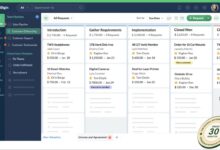
At its core, a CRM Excel template is a structured file that captures essential customer data such as contact information, purchase history, communication logs, and follow-up tasks. It transforms Excel into a functional CRM system, ideal for teams that aren’t ready to invest in full-scale software.
How It Differs from Traditional CRM Software
While traditional CRM platforms like Salesforce or HubSpot offer automation, cloud syncing, and AI-driven insights, a CRM Excel template focuses on simplicity and control. It doesn’t require subscriptions, technical training, or internet connectivity. However, it lacks real-time collaboration and advanced analytics unless manually configured.
“The beauty of an Excel-based CRM is its accessibility. You don’t need an IT department to set it up—just a clear goal and a few hours to customize it.” — Small Business Tech Review
Top 7 Benefits of Using a CRM Excel Template
Despite its simplicity, a CRM Excel template delivers significant advantages, especially for small businesses, freelancers, and startups operating on tight budgets.
1. Cost-Effective Solution
One of the biggest advantages is cost. Most CRM Excel templates are free or available for a one-time fee. This eliminates the need for monthly SaaS subscriptions that can run into hundreds of dollars. For example, a startup using a free template from Microsoft Office can save over $1,000 annually compared to premium CRM tools.
- No recurring subscription fees
- No hidden costs for user licenses
- Minimal training expenses due to familiar interface
2. Full Control Over Data
With cloud-based CRMs, your data resides on third-party servers. A CRM Excel template keeps everything on your local device or private cloud (like OneDrive or Google Drive), giving you complete ownership. This is crucial for businesses handling sensitive client information or operating under strict data privacy laws like GDPR.
3. High Customizability
Excel allows you to modify fields, add tabs, and create custom formulas. Whether you need to track project milestones, service renewals, or customer satisfaction scores, you can tailor the CRM Excel template to fit your exact workflow. For instance, a marketing agency might add a column for campaign performance, while a consultant could include session notes.
Best Features to Include in Your CRM Excel Template
To maximize effectiveness, your CRM Excel template should include key features that mirror professional CRM systems. These elements ensure you don’t miss critical interactions and can analyze customer behavior over time.
Customer Information Section
This is the foundation of any CRM system. Your template should have dedicated columns for:
- Full name and job title
- Company name and industry
- Email, phone, and social media handles
- Billing address and time zone
Using data validation, you can ensure consistent formatting (e.g., email addresses must contain ‘@’). This prevents errors and improves data quality.
Interaction and Communication Log
Tracking every touchpoint with a client builds stronger relationships. Include fields for:
- Date and time of contact
- Channel used (email, call, meeting)
- Summary of discussion
- Next steps or follow-up date
This log helps prevent missed opportunities and ensures accountability across team members.
Sales Pipeline Tracker
A visual sales funnel within your CRM Excel template can dramatically improve conversion rates. Use separate sheets or color-coded rows to represent stages like:
- Lead Generation
- Initial Contact
- Proposal Sent
- Negotiation
- Won/Lost
By assigning probabilities to each stage, you can forecast revenue more accurately. For example, a lead in the ‘Proposal Sent’ stage might have a 50% chance of closing.
How to Create a CRM Excel Template from Scratch
Building your own CRM Excel template gives you full control and ensures it aligns perfectly with your business needs. Follow these steps to create a professional-grade system.
Step 1: Define Your Objectives
Before opening Excel, ask: What do you want to achieve? Common goals include:
- Improving response times to customer inquiries
- Reducing missed follow-ups
- Tracking sales performance by team member
- Identifying high-value clients for retention efforts
Your objectives will shape the structure and complexity of your CRM Excel template.
Step 2: Design the Data Structure
Start by creating a master sheet for customer records. Use clear column headers and freeze the top row for easy scrolling. Consider using separate sheets for:
- Customers
- Interactions
- Sales Pipeline
- Reports & Analytics
Link data between sheets using VLOOKUP or XLOOKUP functions to avoid duplication.
Step 3: Add Automation with Formulas
Excel’s formula capabilities can mimic advanced CRM features. Examples include:
- =TODAY() to auto-fill today’s date
- =IF() to flag overdue follow-ups
- =COUNTIF() to count leads by source
- Data Validation to restrict input options (e.g., dropdowns for status)
For instance, use conditional formatting to highlight rows where the follow-up date is past due—turning them red for urgency.
Top 5 Free CRM Excel Templates You Can Download Today
Saving time is crucial. Instead of building from scratch, consider these trusted, ready-to-use CRM Excel templates.
1. Microsoft Office Official CRM Template
Available directly from Microsoft’s template library, this is one of the most reliable options. It includes customer tracking, interaction logs, and a built-in dashboard. It’s compatible with Excel 2010 and later versions.
2. Smartsheet’s Customer Tracking Template
While Smartsheet is a separate platform, they offer Excel-compatible downloads. Their CRM Excel template includes Gantt charts for follow-up scheduling and automated reminders. Visit Smartsheet.com to explore their free resources.
3. Vertex42 Client Manager Template
Vertex42 is renowned for high-quality Excel templates. Their CRM version supports invoice tracking, task management, and client categorization. It’s perfect for freelancers and service-based businesses. Download it at Vertex42.com.
4. Template.net Business CRM Sheet
This template offers a clean, modern design with color-coded statuses and a summary dashboard. While some features require a premium account, the basic CRM Excel template is free. Check it out at Template.net.
5. HubSpot’s Free CRM Export to Excel
Even if you use HubSpot, you can export your CRM data to Excel. They provide a structured format that doubles as a standalone CRM Excel template. Learn more at HubSpot.com.
When to Upgrade from a CRM Excel Template to Professional Software
While powerful, a CRM Excel template has limitations. Recognizing when to upgrade is key to scaling your business efficiently.
Signs You’ve Outgrown Excel
- Multiple team members editing simultaneously causes version conflicts
- Data exceeds 10,000 rows, slowing down performance
- You need real-time notifications and mobile access
- Manual data entry is consuming too much time
- Security concerns arise from file sharing via email
If three or more apply, it’s time to consider a dedicated CRM platform.
Recommended CRM Software Alternatives
Once you’re ready to scale, consider these top-tier tools:
- Salesforce Essentials: Ideal for growing teams with robust automation
- HubSpot CRM: Free tier available, excellent for inbound marketing
- Zoho CRM: Affordable and feature-rich for small to mid-sized businesses
- Pipedrive: Visual pipeline-focused CRM for sales-heavy teams
Many of these offer free migration tools from Excel, making the transition smoother.
Common Mistakes to Avoid When Using a CRM Excel Template
Even the best CRM Excel template can fail if used incorrectly. Avoid these common pitfalls to ensure long-term success.
1. Poor Data Entry Practices
Inconsistent formatting, missing fields, and duplicate entries cripple data integrity. Always enforce naming conventions and use dropdowns for standardized inputs like ‘Lead Status’ (e.g., New, Contacted, Qualified, Closed).
2. Lack of Regular Updates
A CRM is only as good as its data freshness. Assign a team member to audit and clean the database weekly. Set calendar reminders to prevent neglect.
3. Ignoring Backup Protocols
Excel files can corrupt or be accidentally deleted. Always maintain at least two backups: one local and one in the cloud (e.g., OneDrive, Google Drive, or Dropbox).
Integrating Your CRM Excel Template with Other Tools
Maximize efficiency by connecting your CRM Excel template to other business tools. While native integration is limited, workarounds exist.
Linking with Email and Calendar
Use Outlook or Gmail to log sent emails directly into your CRM Excel template. Tools like Microsoft Power Automate can automate this process. For example, flagging an email as ‘Important’ could trigger a follow-up entry in your spreadsheet.
Syncing with Google Sheets
Convert your CRM Excel template to Google Sheets for better collaboration. Share the file with team members and set edit permissions. Use Google Forms to collect lead data directly into the CRM, reducing manual entry.
Using Power Query for Data Import
Power Query (available in Excel ProPlus) allows you to import data from CSV, databases, or web sources. This is useful for merging customer lists from events, surveys, or e-commerce platforms into your CRM Excel template automatically.
Real-World Success Stories: Businesses Thriving with CRM Excel Templates
Many small businesses have achieved remarkable results using nothing more than a well-structured CRM Excel template.
Case Study 1: Freelance Web Designer
Jane Doe, a solo web designer, used a CRM Excel template to manage 150+ clients. By tracking project deadlines, invoice statuses, and feedback, she increased client retention by 40% within six months. She credits the template’s simplicity and her ability to customize it without coding.
Case Study 2: Local Marketing Agency
A 5-person agency in Austin replaced their disorganized email system with a shared CRM Excel template on OneDrive. They reduced missed follow-ups by 75% and improved proposal turnaround time from 5 days to 48 hours.
Case Study 3: E-commerce Startup
An online store selling handmade goods used a CRM Excel template to segment customers by purchase frequency. They launched targeted email campaigns based on this data, boosting repeat sales by 30% in three months.
What is a CRM Excel template used for?
A CRM Excel template is used to organize customer data, track interactions, manage sales pipelines, and improve client communication—all within a familiar spreadsheet environment. It’s ideal for small businesses that need a low-cost, customizable CRM solution.
Is a CRM Excel template secure?
Yes, when used properly. Store the file on a password-protected device or encrypted cloud storage. Avoid sharing via unsecured email. For sensitive data, consider adding a password to the Excel file itself under ‘Protect Workbook’.
Can multiple users edit a CRM Excel template at once?
Yes, but with limitations. If using Excel Online or Google Sheets, real-time collaboration is possible. With desktop Excel, simultaneous editing can cause conflicts. Always use version control and cloud sync to minimize risks.
How do I automate a CRM Excel template?
Use built-in Excel features like formulas (IF, VLOOKUP), conditional formatting, and macros. For advanced automation, integrate with Power Automate or Zapier to connect with email, forms, or other apps.
Where can I download a free CRM Excel template?
You can download free CRM Excel templates from trusted sources like Microsoft Office, Vertex42, Smartsheet, and Template.net. Always verify the source to avoid malware or corrupted files.
Choosing the right CRM solution doesn’t always mean spending thousands on software. A well-designed CRM Excel template offers an affordable, flexible, and powerful way to manage customer relationships—especially for small teams and startups. With the right structure, automation, and discipline, it can serve as a robust foundation for growth. As your business scales, you can seamlessly transition to professional CRM platforms. But for now, harness the power of Excel to take control of your customer data and drive meaningful results.
Further Reading: