Running a small business is no small feat. Juggling customers, sales, and daily operations can feel overwhelming—until you discover the right CRM software for small business. It’s not just a tool; it’s your secret weapon for smarter growth.
Why CRM Software for Small Business is a Game-Changer

Small businesses often operate with limited resources, making efficiency critical. A CRM (Customer Relationship Management) system helps streamline interactions with current and potential customers, turning scattered data into actionable insights. It’s not just for big corporations anymore—modern CRM software for small business is affordable, user-friendly, and packed with features that level the playing field.



Boosting Customer Retention
Acquiring a new customer can cost five times more than retaining an existing one. CRM software helps small businesses track customer interactions, purchase history, and preferences, enabling personalized follow-ups and targeted marketing. This personal touch increases satisfaction and loyalty.
- Automated birthday and anniversary messages
- Personalized email campaigns based on buying behavior
- Customer service logs for faster resolution
According to Investopedia, companies using CRM systems see up to a 27% increase in customer retention.
Improving Sales Efficiency
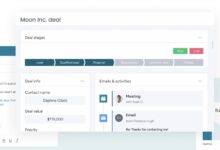
Sales teams in small businesses often wear multiple hats. CRM software centralizes lead information, tracks deal stages, and automates routine tasks like follow-up emails and appointment scheduling. This means less time on admin and more time closing deals.
- Visual sales pipelines to track progress
- Automated task reminders for follow-ups
- Integration with email and calendars
“A CRM doesn’t just organize data—it transforms how you sell.” — HubSpot
Top 7 CRM Software for Small Business in 2024
Choosing the right CRM software for small business can be overwhelming with so many options. We’ve narrowed it down to seven powerful tools that offer scalability, ease of use, and strong ROI for small teams.
1. HubSpot CRM
HubSpot CRM is a favorite among small businesses for its intuitive interface and robust free plan. It offers contact management, email tracking, deal pipelines, and integration with marketing tools—all without a price tag for basic features.
- Free forever plan with essential CRM features
- Seamless integration with HubSpot’s marketing and sales hubs
- Excellent for inbound marketing strategies
Learn more at HubSpot’s official site.
2. Zoho CRM
Zoho CRM stands out for its AI-powered assistant, Zia, which predicts sales outcomes and automates repetitive tasks. It’s highly customizable and scales well as your business grows.
- AI-driven insights and automation
- Multi-channel communication (email, phone, social)
- Strong mobile app for on-the-go access
Zoho integrates with over 40 business applications, making it a versatile choice. Visit Zoho CRM for a free trial.
3. Salesforce Essentials
Salesforce, a giant in the CRM world, offers Essentials—a version tailored for small businesses. It brings enterprise-grade functionality in a simplified package.
- 360-degree customer view
- Real-time sales forecasting
- Customizable dashboards and reports
Salesforce Essentials is ideal for businesses planning rapid growth. Explore it at Salesforce Essentials.
Key Features to Look for in CRM Software for Small Business
Not all CRM systems are created equal. When evaluating CRM software for small business, focus on features that deliver real value without complexity.
Contact and Lead Management
The foundation of any CRM is organizing customer data. Look for tools that automatically capture leads from websites, emails, and social media, then store them in a searchable database.
- Duplicate contact merging
- Custom fields for industry-specific data
- Tagging and segmentation options
A well-organized contact list ensures no opportunity slips through the cracks.
Sales Pipeline Tracking
Visualizing your sales process helps identify bottlenecks and forecast revenue. A good CRM should offer drag-and-drop pipeline management with customizable stages.
- Deal probability settings
- Automated stage progression rules
- Team-wide visibility for collaboration
This transparency keeps everyone aligned and accountable.
Automation and Workflow Tools
Time is your most valuable asset. Automation in CRM software for small business can handle repetitive tasks like sending follow-up emails, assigning leads, or updating records.
- Workflow builders with conditional logic
- Task automation based on triggers
- Integration with email and calendar apps
“Automation isn’t about replacing people—it’s about empowering them.” — Zoho
How CRM Software for Small Business Improves Marketing
Marketing and CRM go hand in hand. A good CRM doesn’t just store customer data—it helps you use it to create smarter campaigns.
Email Marketing Integration
Most CRM platforms include built-in email marketing tools or integrate seamlessly with services like Mailchimp or Constant Contact. This allows you to send targeted campaigns directly from your CRM.
- Track email open and click rates
- Segment audiences based on behavior
- A/B test subject lines and content
These insights help refine your messaging for better engagement.
Lead Scoring and Nurturing
Not all leads are ready to buy. CRM software for small business can assign scores based on engagement (e.g., website visits, email opens), helping you prioritize hot leads.
- Automated lead scoring rules
- Drip campaigns for nurturing cold leads
- Behavior-based triggers for follow-ups
This ensures your sales team focuses on the most promising prospects.
Integrations: Making CRM Software for Small Business Work Harder
A standalone CRM is useful, but its true power emerges when it connects with other tools you use daily.
Email and Calendar Sync
Syncing your CRM with Gmail or Outlook ensures every email and meeting is logged automatically. No more manual data entry.
- Two-way sync for contacts and events
- Email tracking to see when messages are opened
- Scheduled follow-ups directly from email
This integration saves hours each week and improves accuracy.
Accounting and Payment Tools
Connecting your CRM to accounting software like QuickBooks or payment processors like Stripe streamlines invoicing and order tracking.
- Automated invoice creation from deals
- Payment status updates in real time
- Revenue tracking within the CRM
This creates a seamless flow from lead to payment.
Customer Support and Helpdesk
Integrating with helpdesk tools like Zendesk or Freshdesk ensures customer service tickets are linked to contact records, providing a complete history.
- Unified view of sales and support interactions
- Automated ticket creation from emails
- SLA tracking for response times
This improves service quality and reduces resolution time.
Implementation Tips for CRM Software for Small Business
Even the best CRM will fail if not implemented correctly. Follow these steps to ensure a smooth rollout.
Start with Clear Goals
Define what you want to achieve: more sales, better customer service, or improved marketing ROI. Your goals will guide which features to prioritize.
- Identify key performance indicators (KPIs)
- Map out current workflows
- Determine data migration needs
Clarity at the start prevents confusion later.
Train Your Team Effectively
User adoption is the biggest hurdle. Provide hands-on training and create simple guides tailored to your team’s roles.
- Role-based training sessions
- Video tutorials and FAQs
- Ongoing support from a CRM champion
Confident users are more likely to embrace the system.
Import and Clean Your Data
Migrating messy or duplicate data will undermine your CRM’s effectiveness. Clean your existing contact lists before importing.
- Remove outdated or invalid entries
- Standardize naming and formatting
- Use deduplication tools
“Garbage in, garbage out”—your CRM is only as good as your data.” — Forbes
Measuring the ROI of CRM Software for Small Business
Investing in CRM software should yield measurable returns. Track these metrics to evaluate success.
Sales Growth and Conversion Rates
Compare sales figures and lead-to-customer conversion rates before and after CRM implementation.
- Monitor average deal size
- Track time spent in each sales stage
- Measure win/loss ratios
Improvements here indicate better sales process efficiency.
Customer Satisfaction and Retention
Use surveys, Net Promoter Score (NPS), and repeat purchase rates to gauge customer happiness.
- Track response times to inquiries
- Monitor resolution rates for support tickets
- Measure repeat business over time
Higher retention means your CRM is enhancing relationships.
Time and Cost Savings
Calculate how much time your team saves on manual tasks. Multiply that by hourly rates to estimate cost savings.
- Hours saved on data entry
- Reduced time to close deals
- Fewer missed follow-ups
Even small time savings add up over months.
What is the best CRM software for small business with a free plan?
HubSpot CRM offers one of the most comprehensive free plans, including contact management, deal tracking, email integration, and reporting. It’s ideal for startups and small teams looking to get started without upfront costs.
Can CRM software help with social media management?
Yes, many CRM platforms like Zoho CRM and HubSpot include social media monitoring and publishing tools. They allow you to track brand mentions, engage with followers, and schedule posts—all from the CRM dashboard.
How long does it take to implement CRM software for small business?
Implementation can take anywhere from a few days to several weeks, depending on data complexity and team size. With cloud-based CRMs, basic setup often takes less than a week, while full adoption may require ongoing training and refinement.
Is CRM software secure for small businesses?
Reputable CRM providers use enterprise-grade security, including data encryption, two-factor authentication, and regular backups. Always choose vendors with strong compliance certifications like GDPR or SOC 2.
Do I need IT support to use CRM software for small business?
Most modern CRM systems are designed for non-technical users. Platforms like HubSpot and Zoho offer intuitive interfaces and extensive help centers, reducing the need for dedicated IT support.
CRM software for small business isn’t a luxury—it’s a necessity for sustainable growth. From improving customer relationships to streamlining sales and marketing, the right CRM can transform how you operate. By choosing a tool that fits your needs, implementing it thoughtfully, and measuring its impact, you’ll gain a competitive edge that scales with your business. The future of small business success is smart, data-driven, and customer-centric.
Further Reading: