Want to turn your email list into a conversion machine? The secret lies in powerful, well-crafted email marketing scripts that guide your audience from curiosity to checkout—without sounding pushy or robotic.
Email Marketing Scripts: The Foundation of High-Converting Campaigns
Email marketing remains one of the most effective digital marketing channels, with an average ROI of $36 for every $1 spent. But behind every successful campaign lies a strategic set of email marketing scripts—pre-written templates and frameworks designed to engage, nurture, and convert subscribers.
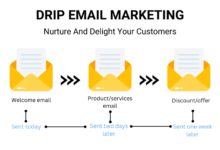


These scripts aren’t just about words on a screen; they’re psychological blueprints that tap into human behavior, timing, and intent. Whether you’re launching a product, re-engaging cold leads, or building trust over time, having a library of proven scripts can save you hours and boost your results exponentially.
Why Email Marketing Scripts Work
Scripts work because they eliminate guesswork. Instead of starting from scratch every time you write an email, you can rely on tested structures that have already driven opens, clicks, and sales.
- Consistency in messaging across campaigns
- Faster content creation with reusable templates
- Improved conversion rates through psychological triggers
According to research by HubSpot, personalized and behavior-triggered emails generate 6x higher transaction rates. When you combine personalization with a solid script, you create a compelling narrative that feels both authentic and persuasive.
“The most effective emails don’t sell—they connect, then convert.” — Marketing expert Seth Godin
Common Misconceptions About Email Scripts
Many marketers believe using scripts makes their emails feel robotic or impersonal. This couldn’t be further from the truth—if done right, scripts actually enhance authenticity by focusing on real customer pain points and emotional journeys.
Another myth is that scripts are only for sales emails. In reality, email marketing scripts apply to welcome sequences, nurture campaigns, cart abandonment flows, re-engagement efforts, and more.
The key is customization. A great script serves as a foundation, not a final product. You adapt tone, voice, and details to match your brand and audience.
7 Essential Types of Email Marketing Scripts You Need
To build a high-performing email strategy, you need a diverse set of email marketing scripts tailored to different stages of the customer journey. Below are seven essential types every marketer should master.
1. The Welcome Email Script
Your first impression matters—and your welcome email is often the first real interaction a subscriber has with your brand. A well-crafted welcome script sets the tone for the entire relationship.
Best practices include expressing gratitude, delivering immediate value (like a free guide or discount), and setting expectations for future emails.
- Subject line: “Thanks for joining us! Here’s your free gift”
- Opening line: “Hey [First Name], welcome to the family!”
- CTA: “Grab your free resource now”
According to Mailchimp, welcome emails have an average open rate of 50.7%—nearly double the rate of regular promotional emails. That makes this script one of the most valuable in your arsenal.
For inspiration, check out how companies like Dropbox and Airbnb use simple, benefit-driven welcome messages to instantly engage new users. You can explore more examples at Mailchimp’s best practices guide.
2. The Storytelling Sales Script
People don’t buy products—they buy stories. A storytelling sales script walks your reader through a relatable journey: problem → struggle → solution → transformation.
This script typically follows a narrative arc where you (or a customer) face a challenge, try various fixes, and finally discover the product or service that works.
- Start with a hook: “Two years ago, I was stuck in the same place you are…”
- Build tension: Describe the frustration, cost, or risk of inaction
- Introduce the solution: Position your offer as the turning point
Story-based emails see up to 30% higher click-through rates because they engage the brain’s emotional centers. Brands like Patagonia and Apple use storytelling masterfully to create deep brand loyalty.
“Marketing is no longer about the stuff you make, but the stories you tell.” — Seth Godin
3. The Problem-Agitation-Solution (PAS) Script
PAS is one of the most powerful copywriting frameworks in existence—and it’s perfectly suited for email marketing scripts.
It works in three stages:
- Problem: Identify a specific pain point your audience feels
- Agitation: Amplify the emotional impact of that problem
- Solution: Present your product or service as the relief
Example: “Are you tired of spending hours on social media with zero sales? (Problem) It’s frustrating, isn’t it? You’re putting in the work but seeing no return—while others seem to grow effortlessly. (Agitation) What if you could automate your content and double your engagement in 30 days? (Solution)”
This script is especially effective for cold audiences or those in the awareness stage. For deeper insights into PAS, visit Neil Patel’s breakdown of proven copywriting formulas.
4. The Scarcity & Urgency Script
Humans are wired to act when they perceive limited availability. The scarcity and urgency script leverages FOMO (fear of missing out) to drive immediate action.
This script is ideal for launch periods, flash sales, or limited-time bonuses.
- Highlight exclusivity: “Only 50 spots available”
- Use time-based triggers: “Offer ends in 24 hours”
- Combine with social proof: “Join 1,200+ marketers who’ve already enrolled”
A/B tests by Campaign Monitor show that emails with urgency-driven subject lines can increase open rates by up to 22%. However, use this script sparingly—overuse can damage trust.
5. The Cart Abandonment Recovery Script
On average, 68-75% of online shopping carts are abandoned. That’s a massive opportunity lost—unless you have a recovery script in place.
A three-part sequence works best:
- Email 1 (1 hour after abandonment): Gentle reminder + product image
- Email 2 (24 hours later): Add social proof or testimonials
- Email 3 (48 hours later): Offer a small incentive (e.g., free shipping or 10% off)
According to Barilliance, cart recovery emails have an average conversion rate of 45%. That’s why every e-commerce brand needs a tested email marketing script for this scenario.
For best practices, see Shopify’s guide to cart abandonment emails.
6. The Re-Engagement Script
Not all subscribers stay active. A re-engagement script helps win back inactive users—or identify those who should be removed from your list.
This script often takes the form of a “We miss you” message, offering value or asking for feedback.
- Subject line: “Haven’t seen you in a while…”
- Body: “We noticed you haven’t opened our emails lately. Want us to stop? Or would you like a special gift to come back?”
- CTA: “Yes, I’m still interested!” or “No, unsubscribe me”
Re-engagement campaigns can revive 20-30% of dormant subscribers. Plus, removing unengaged users improves your sender reputation and deliverability.
7. The Post-Purchase Thank You Script
Most brands stop after the sale—but the post-purchase email is a golden opportunity to build loyalty and encourage referrals.
Your script should express genuine gratitude, reinforce the customer’s smart decision, and guide them toward the next step (e.g., using the product, leaving a review, or buying again).
- Thank the customer by name
- Include usage tips or onboarding resources
- Add a personal note from the founder
Amazon’s post-purchase emails are a masterclass in simplicity and utility—clear, helpful, and frictionless. You can learn more from Klaviyo’s post-purchase email strategy guide.
How to Customize Email Marketing Scripts for Your Brand
While templates are powerful, cookie-cutter emails rarely convert at the highest level. The real magic happens when you personalize email marketing scripts to reflect your brand voice, audience, and goals.
Know Your Audience Deeply
Before writing a single word, answer these questions:
- Who are they? (Demographics, job title, lifestyle)
- What keeps them up at night?
- What language do they use when describing their problems?
Create detailed buyer personas and use real customer interviews to inform your scripts. Tools like Hotjar or User Interviews can help gather qualitative data.
Match Your Brand Voice
Your script should sound like *you*. Are you playful? Professional? Rebellious? Compassionate?
For example:
- Duolingo uses humor and memes in its emails
- LinkedIn uses formal, career-focused language
- Glossier speaks in a friendly, conversational tone
Consistency in voice builds recognition and trust over time.
Use Dynamic Personalization
Go beyond “Hi [First Name].” Use data to personalize content based on behavior, location, purchase history, or engagement level.
- Recommend products based on past purchases
- Send location-specific offers
- Adjust messaging based on email engagement (e.g., frequent openers vs. cold leads)
According to SmarterHQ, 72% of consumers only engage with personalized messaging. Platforms like Klaviyo, ActiveCampaign, and Mailchimp make dynamic personalization easier than ever.
Best Practices for Writing High-Converting Email Marketing Scripts
Even the best structure falls flat without strong execution. Follow these best practices to ensure your email marketing scripts convert.
Write Killer Subject Lines
Your subject line is the gatekeeper. If it doesn’t get opened, nothing else matters.
- Keep it under 50 characters
- Use power words: “Free,” “Proven,” “Instant,” “Secret,” “Urgent”
- Ask questions: “Ready to double your traffic?”
- Create curiosity: “The one thing most marketers forget…”
A/B testing subject lines can improve open rates by 40% or more. Tools like SubjectLine.com help you score and optimize them.
Focus on One Goal Per Email
Don’t try to do too much in one message. Each email should have a single objective:
- Drive a click
- Generate a sale
- Encourage a reply
- Build trust
When you focus on one goal, your CTA becomes clearer and your message more persuasive.
Use a Clear, Compelling CTA
Your call-to-action should be impossible to miss. Use action-oriented language and make it stand out visually.
- Instead of “Click here,” try “Get My Free Guide” or “Start My Trial”
- Use contrasting button colors
- Place the CTA above the fold and repeat it if the email is long
According to HubSpot, emails with a single CTA can increase clicks by 371% and sales by 1617%.
Tools to Automate and Scale Your Email Marketing Scripts
Once you’ve created your scripts, it’s time to automate them. The right tools let you deliver the right message at the right time—without manual effort.
Email Service Providers (ESPs)
Choose a platform that supports automation, segmentation, and analytics.
- Klaviyo: Ideal for e-commerce brands with advanced personalization
- ActiveCampaign: Powerful automation and CRM features
- Mailchimp: Great for beginners and small businesses
- ConvertKit: Perfect for creators and bloggers
These platforms allow you to set up drip campaigns, behavioral triggers, and split testing—all based on your email marketing scripts.
AI Writing Assistants
Tools like Jasper, Copy.ai, and Writesonic can help you generate and refine scripts faster.
- Input your framework (e.g., PAS), and get multiple variations
- Generate subject lines, CTAs, and body copy in seconds
- Train the AI on your brand voice for consistent output
While AI shouldn’t replace human editing, it can dramatically speed up the creation process.
A/B Testing Tools
Never assume a script works—test it. Most ESPs include built-in A/B testing for subject lines, CTAs, send times, and content.
- Test one variable at a time
- Run tests on at least 1,000 subscribers for statistical significance
- Use results to refine your scripts over time
Continuous optimization turns good scripts into great ones.
Measuring the Success of Your Email Marketing Scripts
Creating scripts is just the beginning. To improve over time, you need to measure performance and iterate.
Key Metrics to Track
Monitor these KPIs to evaluate your email marketing scripts:
- Open Rate: Percentage of recipients who opened the email (industry average: ~20-25%)
- Click-Through Rate (CTR): Percentage who clicked a link (average: ~2-5%)
- Conversion Rate: Percentage who completed the desired action (e.g., purchase, sign-up)
- Unsubscribe Rate: Keep this below 0.5% per campaign
- Revenue Per Email: Especially important for e-commerce
Use UTM parameters to track email-driven traffic in Google Analytics.
How to Optimize Based on Data
Data tells you what’s working—and what’s not.
- If open rates are low: Revise subject lines or sender name
- If CTR is low: Improve copy, CTA placement, or content relevance
- If conversions are low: Check landing page alignment or offer strength
Run quarterly audits of your email sequences to retire underperforming scripts and double down on winners.
Building a Script Library for Long-Term Success
The most successful marketers don’t write emails—they manage systems. Build a living library of your email marketing scripts that evolves with your business.
- Organize scripts by campaign type (e.g., welcome, nurture, sales)
- Tag them by goal, audience, and performance
- Include notes on what worked and what didn’t
- Update them quarterly based on new data
This library becomes a strategic asset—scalable, repeatable, and continuously improving.
What are email marketing scripts?
Email marketing scripts are pre-written email templates or frameworks designed to guide communication with subscribers. They help deliver consistent, high-converting messages across welcome sequences, sales campaigns, re-engagement efforts, and more.
How do I personalize email marketing scripts?
Personalize scripts using subscriber data like name, location, past behavior, and purchase history. Use dynamic content and segmentation to tailor messages, and always write in a voice that matches your brand and audience.
Can I use AI to write email marketing scripts?
Yes, AI tools like Jasper, Copy.ai, and ChatGPT can help generate and refine email scripts. However, always review and edit AI-generated content to ensure it aligns with your brand voice and goals.
How often should I update my email scripts?
Review and update your scripts every 3-6 months, or whenever you notice a drop in performance. Use A/B testing and analytics to guide improvements.
Are email marketing scripts suitable for all industries?
Yes, email marketing scripts can be adapted for any industry—from e-commerce and SaaS to coaching and non-profits. The key is tailoring the message to your audience’s needs and journey.
Mastering email marketing scripts is one of the fastest ways to boost engagement and revenue. By leveraging proven frameworks, personalizing content, and continuously optimizing based on data, you can turn your email list into a predictable growth engine. Start building your script library today—and watch your conversions soar.
Further Reading:
