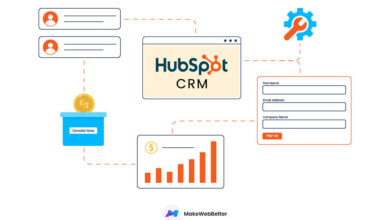
Switching from Excel to CRM might seem like a small step, but it’s a giant leap for your business growth. Discover how this powerful move can streamline sales, boost productivity, and unlock real-time insights—without the spreadsheet chaos.
Why Moving from Excel to CRM Is a Game-Changer

For years, businesses have relied on Excel spreadsheets to manage customer data, track sales, and monitor leads. While Excel is a powerful tool for calculations and basic data organization, it quickly hits its limits when dealing with dynamic customer relationships. The transition from Excel to CRM isn’t just about upgrading software—it’s about transforming how your team interacts with data, customers, and opportunities.




Limited Collaboration in Excel
One of the biggest drawbacks of using Excel for customer management is its lack of real-time collaboration. When multiple team members need access to the same file, version control becomes a nightmare. You might have seen scenarios where:
- Sales reps are working off outdated spreadsheets.
- Duplicate entries cause confusion in lead tracking.
- Managers can’t see real-time updates on deal progress.
These inefficiencies slow down your sales cycle and create data silos. A CRM system, on the other hand, centralizes all customer information in one secure, cloud-based platform where every team member sees the same up-to-date data.
No Automation in Manual Spreadsheets
Excel requires manual input for almost every action—sending follow-up emails, updating deal stages, or logging calls. This manual work eats up valuable time that your sales team could spend on closing deals. With a CRM, automation features like email sequences, task reminders, and workflow triggers eliminate repetitive tasks. For example, when a lead fills out a form on your website, a CRM can automatically assign them to a sales rep, send a welcome email, and schedule a follow-up—all without human intervention.
“Companies using CRM systems report up to 30% higher sales productivity.” — Nucleus Research
Excel to CRM: Key Challenges in the Transition
Despite the clear benefits, moving from Excel to CRM isn’t always smooth. Many organizations face resistance, technical hurdles, and data quality issues during the migration process. Understanding these challenges is the first step to overcoming them.
Data Quality and Cleaning
Before you can migrate data from Excel to CRM, you need to ensure it’s clean, consistent, and structured. Common issues include:
- Duplicate customer entries (e.g., John Smith vs. Jon Smith).
- Incomplete fields (missing phone numbers, emails, or company names).
- Inconsistent formatting (e.g., phone numbers with or without country codes).
Running a data audit before migration helps identify and fix these issues. Tools like Microsoft Power Query or third-party data cleansing platforms can automate much of this process, ensuring your CRM starts with accurate, reliable data.
User Resistance and Training Gaps
Employees accustomed to Excel may resist switching to a new system. They might fear a steep learning curve or believe the CRM will slow them down. To overcome this, invest in proper training and change management. Start with a pilot group, gather feedback, and refine your approach before rolling it out company-wide. Highlight how the CRM reduces their workload—like auto-logging calls or generating reports with one click.
Step-by-Step Guide to Excel to CRM Migration
Migrating from Excel to CRM doesn’t have to be overwhelming. Follow this structured, seven-step process to ensure a smooth and successful transition.
Step 1: Define Your Goals and Requirements
Before selecting a CRM, clarify what you want to achieve. Ask yourself:
- Are you looking to improve sales tracking?
- Do you need better customer service tools?
- Is marketing automation a priority?
Your answers will guide your CRM selection. For example, if your main goal is sales pipeline visibility, a CRM like Salesforce or HubSpot might be ideal. If you’re a small team needing simplicity, Zoho CRM or Pipedrive could be better fits.
Step 2: Choose the Right CRM Platform
Not all CRMs are created equal. Consider factors like:
- Scalability: Will it grow with your business?
- Integration: Does it connect with your email, calendar, and marketing tools?
- Cost: Is it within your budget, including user licenses and add-ons?
Many platforms offer free trials—use them to test usability and features. Look for CRMs that support easy Excel import, have intuitive interfaces, and offer strong customer support.
Excel to CRM: Data Mapping and Field Alignment
One of the most critical technical steps in migration is mapping your Excel columns to the corresponding fields in your CRM. This ensures that data flows correctly and retains its meaning.
Identify Key Data Fields
Start by listing all the columns in your Excel sheet—such as Name, Email, Phone, Company, Lead Source, and Deal Stage. Then, match them to the appropriate fields in your CRM. For example:
- “First Name” in Excel → “First Name” in CRM
- “Status” → “Lead Status”
- “Close Date” → “Expected Close Date”
Some fields may not have direct equivalents. In such cases, create custom fields in your CRM to accommodate them.
Excel to CRM – Excel to CRM menjadi aspek penting yang dibahas di sini.
Handle Data Types and Validation
CRMs often have stricter data type rules than Excel. For instance, a date field in CRM won’t accept text like “ASAP” or “soon.” Before importing, clean your data to meet these requirements. Use Excel formulas to standardize formats—like converting text dates to proper date types or removing extra spaces with the TRIM() function.
“Proper data mapping can reduce post-migration errors by up to 70%.” — Gartner
Executing the Excel to CRM Data Import
Once your data is clean and mapped, it’s time to import it into your CRM. Most platforms support CSV file uploads, making the transition from Excel straightforward.
Export Excel Data as CSV
Save your final, cleaned spreadsheet as a CSV (Comma-Separated Values) file. This format is universally accepted by CRM systems and preserves data integrity better than XLSX during import.
Use Built-in Import Tools
Popular CRMs like HubSpot, Salesforce, and Zoho offer step-by-step import wizards. These tools guide you through:
- Uploading your CSV file.
- Matching columns to CRM fields.
- Previewing how data will appear after import.
Take your time during this process. A small mistake—like mapping phone numbers to email fields—can cause major issues later.
Validate and Test with a Sample
Don’t import your entire database at once. Start with a small batch—say, 50 records—and verify that everything appears correctly in the CRM. Check for:
- Correct field assignments.
- No broken links or missing data.
- Proper assignment to sales reps or teams.
Once confirmed, proceed with the full import. This phased approach minimizes risk and allows for quick corrections.
Post-Migration: Ensuring Data Accuracy and Adoption
Importing data is just the beginning. The real success of your Excel to CRM transition lies in maintaining data quality and ensuring team adoption.
Run Data Audits and Deduplication
Even after cleaning, duplicates can slip through. Use your CRM’s built-in deduplication tools or third-party apps to scan for and merge duplicate records. For example, Salesforce offers Duplicate Management rules, while HubSpot has a deduplicate feature under Contacts.
Train Your Team Effectively
Provide hands-on training sessions that focus on real-world tasks:
- How to log a call or meeting.
- Updating deal stages in the pipeline.
- Generating monthly sales reports.
Create quick-reference guides or video tutorials for ongoing support. Encourage feedback and address concerns promptly to build confidence in the new system.
Monitor Usage and Set Accountability
Track login rates, data entry frequency, and report generation to measure adoption. Assign CRM champions in each department to motivate peers and share best practices. Some companies even tie CRM usage to performance reviews to ensure compliance.
Excel to CRM: Unlocking Advanced Features and Automation
Once your data is in the CRM and your team is comfortable, it’s time to leverage advanced features that Excel simply can’t offer.
Automate Repetitive Tasks
Set up workflows to automate actions based on triggers. For example:
- When a lead reaches “Qualified” status, automatically assign it to a sales rep and send a welcome email.
- If a deal hasn’t been updated in 7 days, send a reminder to the owner.
- After a customer purchase, trigger a thank-you email and a 30-day satisfaction survey.
These automations save hours every week and ensure no opportunity falls through the cracks.
Generate Real-Time Reports and Dashboards
Unlike static Excel reports, CRM dashboards update in real time. You can instantly see:
- Sales pipeline health.
- Conversion rates by source.
- Team performance metrics.
Use these insights to make faster, data-driven decisions. For instance, if leads from a specific campaign have a high conversion rate, you can allocate more budget to it immediately.
Excel to CRM – Excel to CRM menjadi aspek penting yang dibahas di sini.
Long-Term Benefits of Excel to CRM Transition
The shift from spreadsheets to a CRM system delivers lasting advantages that compound over time.
Improved Customer Experience
With a complete view of each customer’s history—past purchases, support tickets, and communication logs—your team can provide personalized, timely service. This leads to higher satisfaction, loyalty, and repeat business.
Scalability and Business Growth
As your business grows, managing thousands of leads in Excel becomes impossible. A CRM scales effortlessly, supporting more users, contacts, and integrations. Whether you’re adding new sales reps or expanding to new markets, your CRM grows with you.
Better Forecasting and Strategic Planning
CRMs provide accurate sales forecasting based on real pipeline data. Managers can predict revenue with greater confidence, plan resource allocation, and set realistic targets. This level of insight is simply unattainable with manual Excel tracking.
What are the main benefits of moving from Excel to CRM?
The main benefits include improved data accuracy, real-time collaboration, automation of repetitive tasks, better sales forecasting, enhanced customer insights, and scalability for business growth. A CRM centralizes customer data, reduces manual work, and provides actionable analytics that Excel alone cannot deliver.
Can I import my Excel data into any CRM system?
Yes, most modern CRM platforms support CSV file imports, which are easily generated from Excel. However, the success of the import depends on data cleanliness, proper field mapping, and adherence to the CRM’s formatting rules. Always test with a small dataset first.
How do I clean my Excel data before migrating to CRM?
Start by removing duplicates, standardizing formats (e.g., phone numbers, dates), filling in missing critical fields, and deleting outdated or irrelevant records. Use Excel functions like TRIM(), PROPER(), and conditional formatting to automate parts of this process.
Is training necessary after moving from Excel to CRM?
Yes, training is crucial for user adoption. Even intuitive CRMs require some learning. Provide structured training sessions, create documentation, and appoint internal champions to support the transition and encourage consistent usage.
What CRM platforms are best for small businesses moving from Excel?
For small businesses, HubSpot CRM, Zoho CRM, and Pipedrive are excellent choices due to their ease of use, affordable pricing, and strong Excel import capabilities. They offer free tiers and scalable plans as your business grows.
Moving from Excel to CRM is more than a technical upgrade—it’s a strategic shift that empowers your team, enhances customer relationships, and drives sustainable growth. By following a structured migration process, cleaning your data, and leveraging automation, you can unlock the full potential of your customer information. The initial effort pays off in increased efficiency, better decision-making, and long-term scalability. Don’t let spreadsheet limitations hold your business back—embrace the power of CRM and transform the way you manage customer relationships.
Excel to CRM – Excel to CRM menjadi aspek penting yang dibahas di sini.
Further Reading: