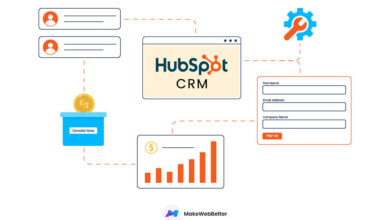
Want to streamline your sales process? Start by learning how to efficiently import CRM contacts. This powerful move can boost productivity, eliminate manual errors, and unify your customer data—all in one go.
Why Import CRM Contacts Is a Game-Changer for Modern Businesses

Importing CRM contacts isn’t just a technical task—it’s a strategic advantage. In today’s fast-paced digital environment, having accurate, centralized customer data is non-negotiable. Manually entering hundreds or thousands of contacts is not only time-consuming but also prone to human error. That’s where the ability to import CRM contacts becomes essential.





By automating the transfer of contact information from spreadsheets, legacy systems, or other platforms into your CRM, you save hours of labor and ensure consistency across your sales and marketing teams. Whether you’re migrating from an old CRM, consolidating data from multiple sources, or onboarding a new sales team, the process of importing CRM contacts lays the foundation for better customer relationship management.
According to Salesforce, high-performing sales teams are 1.5x more likely to use CRM data effectively. This starts with clean, well-organized contact records. When you import CRM contacts correctly, you empower your team with real-time insights, improve lead tracking, and enhance customer engagement.
Boost Efficiency and Reduce Manual Workload
One of the most immediate benefits of importing CRM contacts is the drastic reduction in manual data entry. Imagine having to type in 5,000 customer records by hand—this could take weeks and lead to countless typos and inconsistencies.
- Automated imports can process thousands of records in minutes.
- Teams can redirect their focus from data entry to customer engagement.
- Reduces burnout associated with repetitive administrative tasks.
Tools like HubSpot and Zoho CRM allow bulk import features that support CSV, Excel, and even vCard formats, making the transition smooth and efficient.
Improve Data Accuracy and Consistency
Manual input increases the risk of duplicate entries, misspelled names, incorrect email addresses, and missing fields. When you import CRM contacts using structured templates and validation rules, you significantly improve data quality.
Many CRM platforms offer pre-import validation checks. For example, Zoho CRM allows you to preview your data before finalizing the import, flagging potential issues like missing required fields or formatting errors.
“Data quality is not a one-time project; it’s an ongoing discipline. Importing CRM contacts correctly is the first step in building a reliable database.” — Gartner Research
By standardizing formats (e.g., phone numbers, addresses, date fields) during the import process, you ensure that everyone in your organization sees consistent information, which is crucial for coordinated follow-ups and reporting.
Step-by-Step Guide to Import CRM Contacts Successfully
Successfully importing CRM contacts requires more than just uploading a file. It’s a process that involves preparation, mapping, validation, and post-import review. Follow these seven proven steps to ensure a seamless transition.
Step 1: Audit and Clean Your Existing Contact Data
Before you even think about importing CRM contacts, you must clean your source data. Dirty data—duplicate entries, outdated information, inconsistent formatting—can wreak havoc on your CRM system.
- Remove duplicate records using tools like Excel’s “Remove Duplicates” feature or specialized software like Dedupe.io.
- Standardize naming conventions (e.g., “Mr.” vs “Mr” vs “Mister”).
- Verify email addresses and phone numbers using validation tools like BriteVerify or ZeroBounce.
A clean dataset ensures higher deliverability for email campaigns and more accurate reporting. According to Experian, businesses lose an average of 12% of revenue annually due to poor data quality.
Step 2: Choose the Right File Format for Import
Most CRM systems support common file formats like CSV (Comma-Separated Values), Excel (.xlsx), and vCard (.vcf). However, CSV is often the most reliable because it’s lightweight and universally supported.
- CSV files are easy to edit and less prone to formatting issues.
- Excel files may carry hidden formatting that can interfere with field mapping.
- vCard is ideal for individual contacts but not scalable for bulk imports.
When preparing your file, ensure that the first row contains clear column headers that match your CRM’s expected fields (e.g., “First Name,” “Last Name,” “Email,” “Phone”).
Step 3: Map Your Fields Correctly
Field mapping is the process of aligning columns in your source file with corresponding fields in your CRM. This step is critical—if “Company Name” is mapped to “Job Title,” your data will be unusable.
Most CRMs provide a drag-and-drop or dropdown interface for field mapping. For example, in Salesforce, the Data Import Wizard walks you through matching each column to the correct CRM field.
- Always double-check mappings before proceeding.
- Use custom fields if your data doesn’t fit standard categories.
- Ignore irrelevant columns to avoid clutter.
Some platforms allow you to save mapping templates for future imports, saving time on recurring data migrations.
Common Challenges When You Import CRM Contacts (And How to Fix Them)
Even with careful planning, importing CRM contacts can run into issues. Being aware of common pitfalls helps you troubleshoot quickly and maintain data integrity.
Data Duplication and Overwriting Risks
One of the biggest risks when you import CRM contacts is creating duplicate records. This happens when the system doesn’t recognize that a contact already exists.
To prevent this, use deduplication rules based on unique identifiers like email address, phone number, or customer ID. Many CRMs, such as Pipedrive, offer built-in duplicate detection that alerts you during import.
- Enable “Merge duplicates” options if available.
- Use a unique external ID field to match existing records.
- Run a deduplication scan after import to catch any missed entries.
“Duplicate contacts can lead to confused follow-ups, wasted outreach, and damaged customer trust.” — HubSpot CRM Guide
Formatting and Encoding Errors
Improper file encoding (e.g., UTF-8 vs ANSI) can cause special characters (like é, ü, or £) to appear as gibberish. Similarly, date formats (MM/DD/YYYY vs DD/MM/YYYY) can be misinterpreted, leading to incorrect birthdates or follow-up schedules.
Import CRM Contacts – Import CRM Contacts menjadi aspek penting yang dibahas di sini.
To avoid this:
- Save your file in UTF-8 encoding when exporting from Excel.
- Use consistent date formats (ISO 8601: YYYY-MM-DD is recommended).
- Test with a small batch (10–20 records) before full import.
Some CRMs automatically detect encoding, but it’s safer to specify it manually during upload.
Best CRM Platforms That Simplify Import CRM Contacts
Not all CRM systems handle data imports equally. Some offer intuitive wizards, while others require technical know-how. Here are the top platforms that make it easy to import CRM contacts without hassle.
Salesforce: Power and Precision for Enterprise Teams
Salesforce is a leader in CRM solutions, offering robust tools for importing CRM contacts at scale. Its Data Import Wizard supports up to 50,000 records at a time, while the Data Loader handles millions.
- Supports CSV, Excel, and XML formats.
- Advanced field mapping and validation rules.
- Integration with third-party ETL (Extract, Transform, Load) tools like Talend.
However, Salesforce has a steeper learning curve. Smaller teams may find its complexity overwhelming without proper training.
HubSpot: User-Friendly and Ideal for SMBs
HubSpot stands out for its simplicity and intuitive interface. Its import tool guides users step-by-step, making it perfect for teams without technical expertise.
- Drag-and-drop file upload with automatic field detection.
- Real-time preview of how data will appear in CRM.
- Free plan supports basic contact imports (up to 1M contacts).
HubSpot also offers automated deduplication and segmentation post-import, helping you organize contacts immediately.
Zoho CRM: Affordable and Feature-Rich
Zoho CRM is a cost-effective solution that doesn’t compromise on functionality. It supports bulk imports, custom modules, and multi-currency fields—ideal for global businesses.
- Allows scheduling recurring imports (e.g., weekly syncs).
- AI-powered assistant (Zia) helps detect anomalies in imported data.
- Strong integration with Google Workspace and Microsoft 365.
For businesses looking to import CRM contacts without breaking the bank, Zoho offers exceptional value.
How to Maintain Data Quality After You Import CRM Contacts
Importing CRM contacts is just the beginning. Long-term success depends on maintaining clean, accurate data over time.
Set Up Automated Data Validation Rules
Most modern CRMs allow you to create validation rules that enforce data standards. For example, you can require that all email fields contain an “@” symbol or that phone numbers follow a specific format.
- Prevent incomplete records from being saved.
- Enforce mandatory fields like “Source” or “Lead Status.”
- Use regex patterns for advanced validation (e.g., matching U.S. ZIP codes).
These rules act as a safety net, ensuring that new entries meet your quality standards.
Implement Regular Data Audits
Even the best-imported data degrades over time. People change jobs, emails bounce, and phone numbers get disconnected.
Conduct quarterly data audits to:
- Identify and remove inactive or invalid contacts.
- Update job titles, company names, and contact preferences.
- Re-segment your audience based on engagement metrics.
Tools like Clearbit and ZoomInfo offer data enrichment services that automatically refresh your CRM with up-to-date information.
Integrating Third-Party Tools to Automate Import CRM Contacts
Manual imports work for one-time migrations, but for ongoing data synchronization, automation is key. Integrating third-party tools can streamline the process of importing CRM contacts from various sources.
Using Zapier to Sync Data Across Platforms
Zapier connects your CRM with hundreds of apps, enabling automatic contact imports from forms, email inboxes, and webinars.
- Create a “Zap” that adds new Typeform respondents to your CRM.
- Sync Gmail contacts to HubSpot with a single click.
- Trigger CRM updates when a deal closes in QuickBooks.
Zapier’s no-code interface makes it accessible for non-technical users, and its reliability ensures that your CRM stays up to date without manual intervention.
Leveraging API-Based Integrations for Enterprise Needs
For larger organizations, custom API integrations offer the most control. By connecting your CRM directly to your website, ERP, or marketing platform, you can push and pull contact data in real time.
- Use REST APIs to import CRM contacts programmatically.
- Build middleware to transform data before it enters the CRM.
- Enable bi-directional sync to keep all systems aligned.
For example, a retail company might use an API to import CRM contacts from their e-commerce platform every hour, ensuring that customer purchase history is always current.
Security and Compliance Considerations When You Import CRM Contacts
Data privacy is no longer optional. When you import CRM contacts, you must comply with regulations like GDPR, CCPA, and CAN-SPAM to avoid legal risks and reputational damage.
Import CRM Contacts – Import CRM Contacts menjadi aspek penting yang dibahas di sini.
Ensure GDPR and CCPA Compliance
These regulations require that you have lawful grounds to process personal data. Before importing CRM contacts, verify that:
- Contacts have given explicit consent to be contacted.
- You can provide a clear record of how and when consent was obtained.
- You honor opt-out requests promptly.
CRMs like Mailchimp and ActiveCampaign include built-in compliance features, such as consent tracking and automated unsubscribe management.
Secure Data Transfer and Storage
During the import process, sensitive data is vulnerable to interception or leaks. Always use secure methods:
- Encrypt files before transfer (e.g., using AES-256).
- Use HTTPS-enabled portals for uploading.
- Ensure your CRM provider complies with SOC 2 or ISO 27001 standards.
Never send unencrypted contact lists via email or unsecured cloud links.
Future Trends in CRM Data Management and Contact Importing
The way we import CRM contacts is evolving. Advances in AI, automation, and data intelligence are reshaping the landscape.
AI-Powered Data Cleansing and Enrichment
Future CRM systems will use artificial intelligence to automatically clean, enrich, and categorize contacts during import. For example, AI can infer job titles from LinkedIn profiles or append company details based on domain names.
- Reduce manual cleanup by up to 70%.
- Auto-tag leads based on behavior or industry.
- Predict contact quality and engagement likelihood.
Platforms like LinkedIn Sales Navigator already offer AI-driven insights that integrate with CRMs.
Real-Time Data Synchronization Across Ecosystems
Standalone imports will become obsolete as businesses move toward real-time data flows. Instead of batch imports, CRMs will continuously sync with external sources via APIs and event-driven architectures.
- New website sign-ups appear in CRM instantly.
- Customer service interactions update contact records in real time.
- Cross-channel behavior is unified for a 360-degree view.
This shift will make the process of importing CRM contacts seamless and invisible—data just “appears” where it’s needed.
What are the best practices for importing CRM contacts?
Best practices include cleaning your data before import, using the correct file format (preferably CSV), mapping fields accurately, testing with a small batch first, enabling duplicate detection, and validating data post-import. Always ensure compliance with data privacy laws like GDPR.
Can I import CRM contacts from Excel to Salesforce?
Yes, you can import CRM contacts from Excel to Salesforce using the Data Import Wizard or Data Loader. First, export your Excel file as a CSV, then use Salesforce’s import tool to map fields and upload the data. Be sure to follow Salesforce’s formatting guidelines for optimal results.
How do I avoid duplicates when importing CRM contacts?
To avoid duplicates, use your CRM’s built-in deduplication tools, set up matching rules (e.g., by email or phone), and use unique identifiers. You can also clean your source data beforehand and run a post-import duplicate scan to catch any oversights.
Which CRM has the easiest contact import process?
HubSpot is widely regarded as having the easiest contact import process due to its intuitive interface, drag-and-drop upload, automatic field detection, and real-time preview. It’s ideal for small to medium businesses without technical expertise.
Is it safe to import CRM contacts from unsecured sources?
No, importing CRM contacts from unsecured or未经 verified sources can expose your business to legal and security risks. Always ensure data is collected ethically, with consent, and transferred securely using encryption and compliant platforms.
Importing CRM contacts is far more than a technical task—it’s a strategic move that can transform your sales and marketing operations. From boosting efficiency and data accuracy to enabling automation and compliance, the benefits are clear. By following best practices, choosing the right tools, and staying ahead of trends, you can ensure your CRM becomes a powerful engine for growth. The key is to treat data import not as a one-time event, but as an ongoing process of optimization and refinement.
Import CRM Contacts – Import CRM Contacts menjadi aspek penting yang dibahas di sini.
Further Reading: