Want to take control of your sales process? A Pipeline Dashboard Excel can be your ultimate weapon. Simple, customizable, and powerful—this tool transforms messy data into clear, actionable insights. Let’s dive into how you can build and optimize one like a pro.
What Is a Pipeline Dashboard Excel and Why It Matters

A Pipeline Dashboard Excel is more than just a spreadsheet—it’s a dynamic visual tool that tracks the progress of sales opportunities through various stages of the sales funnel. By organizing key metrics like deal value, close probability, and expected close dates, it gives sales teams and managers real-time visibility into performance, bottlenecks, and forecasting accuracy.



Defining the Sales Pipeline Concept
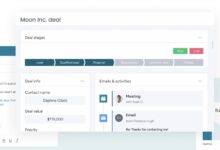
The sales pipeline represents the journey a potential customer takes from initial contact to closed deal. Each stage—such as ‘Lead Generated,’ ‘Qualified,’ ‘Proposal Sent,’ and ‘Closed-Won’—can be mapped in Excel to monitor movement and conversion rates. A well-structured Pipeline Dashboard Excel turns this abstract journey into a tangible, measurable process.
- Stages vary by business model but typically include 4–7 key phases.
- Each opportunity is assigned a monetary value and probability of closing.
- The pipeline acts as a forecast engine when combined with historical data.
Benefits of Using Excel for Pipeline Management
Despite the rise of CRM platforms like Salesforce and HubSpot, many small to mid-sized businesses still rely on Excel for pipeline tracking. Why? Because Excel offers unmatched flexibility, low cost, and ease of use. With a Pipeline Dashboard Excel, you can quickly customize views, apply conditional formatting, and integrate with other tools via Power Query or VBA.
- No subscription fees or complex onboarding.
- Familiar interface reduces training time.
- Highly portable and shareable across teams.
“Excel remains the most widely used data analysis tool in the world, with over 750 million users globally.” — Microsoft
Key Components of an Effective Pipeline Dashboard Excel
Creating a high-impact Pipeline Dashboard Excel isn’t just about dumping data into cells. It requires thoughtful design and strategic inclusion of critical elements that drive decision-making. Let’s break down the essential components that make your dashboard not just functional, but powerful.
Core Data Fields to Include
To build a robust Pipeline Dashboard Excel, start with the foundational data fields. These are the building blocks that feed all visualizations and calculations. Without accurate and consistent data entry, even the most beautiful dashboard will mislead rather than inform.
- Opportunity Name: Unique identifier for each deal.
- Customer Name: Company or individual contact.
- Sales Stage: Current position in the pipeline (e.g., Discovery, Proposal, Negotiation).
- Deal Value: Estimated revenue if closed.
- Close Probability (%): Likelihood of winning the deal (e.g., 20%, 50%, 90%).
- Expected Close Date: Forecasted closing date.
- Owner: Sales representative responsible.
- Created Date: When the opportunity was logged.
These fields allow for weighted pipeline calculations, aging analysis, and owner performance tracking. For example, multiplying deal value by close probability gives you the weighted value, a crucial metric for realistic forecasting.
Visual Elements That Drive Clarity
A Pipeline Dashboard Excel should not only store data but also present it clearly. Visuals help users instantly grasp trends, spot outliers, and identify risks. While Excel isn’t a BI tool like Power BI or Tableau, it still supports charts, conditional formatting, and sparklines that enhance readability.
- Bar Charts: Show total pipeline value by stage.
- Pie Charts: Display distribution of deals by owner or region.
- Gantt-like Timelines: Visualize deal timelines using conditional formatting on a calendar grid.
- Sparklines: Mini trend lines next to each deal to show progression over time.
- Color Coding: Use red, yellow, green to indicate deal health or aging.
For instance, you can use conditional formatting to highlight deals stuck in ‘Negotiation’ for more than 30 days—flagging potential bottlenecks. This level of insight turns your Pipeline Dashboard Excel into a proactive management tool.
Step-by-Step Guide to Building Your Pipeline Dashboard Excel
Now that we understand the ‘what’ and ‘why,’ let’s get into the ‘how.’ Building a Pipeline Dashboard Excel from scratch might seem daunting, but with a structured approach, anyone can do it—even without advanced Excel skills. Follow these steps to create a professional, functional dashboard in under an hour.
Step 1: Set Up Your Raw Data Sheet
Begin by creating a dedicated worksheet (e.g., named ‘Data’) where all opportunity records are stored. This sheet acts as the backend database for your dashboard. Structure it with clear column headers and ensure every new deal is logged here first.
- Use tables (Ctrl + T) to auto-expand ranges and enable structured references.
- Freeze the top row so headers remain visible when scrolling.
- Apply data validation to dropdowns (e.g., for Sales Stage) to maintain consistency.
For example, set up a dropdown in the ‘Sales Stage’ column using Data Validation with a list like: Lead, Qualified, Demo Scheduled, Proposal Sent, Negotiation, Closed-Won, Closed-Lost. This prevents typos and standardizes reporting.
Step 2: Create Summary Metrics with Formulas
Next, build a ‘Summary’ or ‘Dashboard’ sheet that pulls data from the ‘Data’ sheet using formulas. This is where your Pipeline Dashboard Excel starts to come alive. Key metrics to calculate include:
- Total Pipeline Value:
=SUM(Data!D:D)(assuming column D is Deal Value) - Weighted Pipeline Value:
=SUMPRODUCT(Data!D:D, Data!E:E)(Deal Value × Probability) - Deals by Stage: Use
COUNTIForPivotTablesto count opportunities per stage. - Average Deal Size:
=AVERAGE(Data!D:D) - Conversion Rate:
=COUNTIF(Stage,"Closed-Won") / COUNTIF(Stage,"Lead")
These formulas should update automatically as new data is entered, making your Pipeline Dashboard Excel dynamic and self-updating.
Step 3: Design the Dashboard Layout
Now it’s time to design the visual layout. Place your key metrics in a top-row ‘KPI bar’—large, bold numbers with labels like ‘Total Pipeline: $1.2M’ or ‘Win Rate: 38%’. Below that, insert charts and tables that provide deeper insights.
- Use a horizontal bar chart to show pipeline distribution across stages.
- Add a pie chart to break down deals by sales rep.
- Include a table listing top 10 open deals by value.
- Use icons or traffic lights (via conditional formatting) to show deal risk.
Keep the design clean and uncluttered. Avoid overcrowding—focus on the 5–7 most important metrics your team needs daily. Remember, the goal of a Pipeline Dashboard Excel is clarity, not complexity.
Advanced Features to Supercharge Your Pipeline Dashboard Excel
Once you’ve mastered the basics, it’s time to level up. With a few advanced Excel techniques, your Pipeline Dashboard Excel can rival paid CRM dashboards in functionality. These features add automation, interactivity, and deeper analytics.
Using PivotTables for Dynamic Analysis
PivotTables are one of Excel’s most powerful tools for analyzing pipeline data. They allow you to slice and dice your data without altering the source. For example, you can instantly see pipeline value by region, product line, or sales rep—simply by dragging fields.
- Create a PivotTable to show total deal value per stage, broken down by owner.
- Use slicers for interactive filtering (e.g., click a rep’s name to filter all views).
- Add calculated fields to show win rates or average cycle length.
According to Microsoft’s official documentation, PivotTables can dramatically reduce analysis time and improve data accuracy by minimizing manual errors.
Automating with Conditional Formatting and Sparklines
Conditional formatting helps you visualize data patterns instantly. For example, you can set rules to:
- Highlight deals with close dates within the next 7 days in yellow.
- Turn rows red if a deal has been in ‘Negotiation’ for over 20 days.
- Use data bars to show relative deal sizes in a column.
Sparklines, meanwhile, are tiny charts embedded in cells. Place them next to each deal to show follow-up activity trends—like the number of emails sent or calls made over time. This adds behavioral context to your Pipeline Dashboard Excel.
Integrating Power Query for External Data
If your data lives in multiple sources (e.g., CSV files, Google Sheets, or databases), Power Query can automate data import and cleaning. This feature, available in Excel 2016+, allows you to refresh your Pipeline Dashboard Excel with one click.
- Connect to external CRM exports or marketing automation tools.
- Remove duplicates, standardize names, and transform dates automatically.
- Schedule refreshes if using Excel Online or Power BI.
Learn more about Power Query at Microsoft’s Power Query documentation, a trusted resource for mastering data transformation.
Common Mistakes to Avoid When Creating a Pipeline Dashboard Excel
Even experienced users make errors that undermine the effectiveness of their Pipeline Dashboard Excel. Avoiding these pitfalls ensures your dashboard remains accurate, reliable, and trusted by your team.
Overcomplicating the Design
One of the most common mistakes is trying to include too much information. A cluttered dashboard confuses users and dilutes key messages. Resist the urge to add every possible metric. Instead, focus on the KPIs that directly impact decision-making.
- Stick to 5–7 core metrics on the main view.
- Use tabs or hidden sheets for detailed reports.
- Label everything clearly—avoid jargon or ambiguous terms.
“Simple, focused dashboards lead to faster decisions and better outcomes.” — Harvard Business Review
Poor Data Hygiene and Inconsistencies
A Pipeline Dashboard Excel is only as good as the data it’s built on. Inconsistent naming (e.g., ‘John Smith’ vs. ‘J. Smith’), missing fields, or outdated stages render insights useless. Establish data entry rules and audit regularly.
- Enforce mandatory fields for new entries.
- Conduct weekly data cleanup sessions.
- Train team members on proper logging procedures.
Without clean data, your Pipeline Dashboard Excel becomes a ‘garbage in, garbage out’ system—misleading and dangerous.
Ignoring User Feedback
Too often, dashboards are built by one person and imposed on a team without input. This leads to low adoption. Involve sales reps and managers in the design process. Ask: What do you need to see? What decisions do you make daily?
- Run a pilot with a small team before full rollout.
- Collect feedback on usability and relevance.
- Iterate based on real-world usage.
A dashboard that no one uses is a wasted effort. Your Pipeline Dashboard Excel should solve actual problems, not just look impressive.
How to Maintain and Update Your Pipeline Dashboard Excel
Building the dashboard is just the beginning. To remain valuable, your Pipeline Dashboard Excel must be maintained. Regular updates, data validation, and user training ensure long-term success.
Scheduling Regular Data Refreshes
If your data comes from external systems, set a schedule for updates. For example, export CRM data every Monday morning and refresh the Excel file. If using Power Query, automate this with a simple ‘Refresh All’ command.
- Assign ownership: Who is responsible for updating the file?
- Use cloud storage (OneDrive, Google Drive) for real-time access.
- Enable version history to track changes and recover from errors.
Training Your Team to Use the Dashboard
A powerful Pipeline Dashboard Excel is useless if your team doesn’t know how to use it. Provide training sessions—live or recorded—that walk users through key features.
- Explain how to interpret each chart and metric.
- Show how to filter data or drill down into details.
- Encourage questions and offer ongoing support.
Consider creating a quick-reference guide or cheat sheet pinned to your team’s shared drive.
Scaling Beyond Excel: When to Upgrade
While a Pipeline Dashboard Excel works well for small teams, it has limitations. As your business grows, you may hit walls: collaboration issues, data volume overload, or lack of real-time updates. That’s when it’s time to consider a dedicated CRM.
- If you have more than 10 users accessing the file, collaboration becomes messy.
- If data exceeds 50,000 rows, Excel may slow down or crash.
- If you need mobile access or integration with email/phone systems, CRM is better.
Popular options include Salesforce, HubSpot CRM, and Zoho CRM. But until then, a well-maintained Pipeline Dashboard Excel remains a cost-effective powerhouse.
Real-World Examples of Pipeline Dashboard Excel in Action
Theory is great, but seeing real applications brings concepts to life. Let’s explore how different industries use a Pipeline Dashboard Excel to drive results.
SaaS Company: Tracking Trial-to-Paid Conversion
A SaaS startup uses a Pipeline Dashboard Excel to monitor free trial users moving toward paid plans. Stages include ‘Trial Started,’ ‘Onboarding Complete,’ ‘Feature Usage High,’ and ‘Paid Subscriber.’ By tracking time-in-stage and engagement metrics, they identify bottlenecks and optimize onboarding emails.
- Weighted pipeline includes estimated ARR (Annual Recurring Revenue).
- Conditional formatting flags inactive trials for re-engagement.
- Weekly dashboards help forecast monthly revenue with 90% accuracy.
Real Estate Brokerage: Managing Property Leads
A real estate agency uses a Pipeline Dashboard Excel to track buyer and seller leads. Stages include ‘Initial Inquiry,’ ‘Property Viewed,’ ‘Offer Made,’ and ‘Closed.’ The dashboard shows which agents have the most active leads and which properties are stuck in negotiation.
- Color-coded tabs differentiate buyer vs. seller pipelines.
- Expected close dates help schedule agent availability.
- Monthly win rate analysis informs training needs.
Consulting Firm: Project Proposal Tracking
A boutique consulting firm uses a Pipeline Dashboard Excel to manage RFPs (Requests for Proposal). Each opportunity includes client industry, estimated hours, and team capacity. The dashboard helps prioritize high-value, feasible projects and avoid overcommitment.
- Weighted value considers both fee and strategic fit.
- Gantt-style view aligns proposals with team bandwidth.
- Monthly pipeline reviews guide business development focus.
Future of Pipeline Dashboard Excel: Trends and Integration
While standalone spreadsheets will always have a place, the future of pipeline management lies in integration and intelligence. However, the Pipeline Dashboard Excel is evolving—not disappearing.
Integration with CRM and BI Tools
Modern Excel works seamlessly with cloud-based tools. You can now pull live data from Salesforce into Excel using Power Query or display Excel-based dashboards in Power BI. This hybrid approach combines the familiarity of Excel with the scalability of enterprise systems.
- Use Excel as a front-end for CRM data analysis.
- Embed Excel charts in Teams or SharePoint portals.
- Leverage Power Automate to trigger alerts from Excel data changes.
This evolution means your Pipeline Dashboard Excel can be both a standalone tool and a bridge to more advanced platforms.
AI and Predictive Analytics in Excel
Microsoft is embedding AI into Excel through features like Ideas and Forecast Sheets. These tools can analyze your pipeline data and suggest trends, predict close dates, or flag at-risk deals. For example, Forecast Sheet can project next quarter’s revenue based on historical closure patterns.
- Use ‘Analyze Data’ button to get instant insights.
- Apply machine learning models via Excel’s integration with Azure ML.
- Automate risk scoring using logistic regression formulas.
The future of the Pipeline Dashboard Excel isn’t just about tracking—it’s about predicting and prescribing actions.
What is a Pipeline Dashboard Excel used for?
A Pipeline Dashboard Excel is used to track, visualize, and analyze sales opportunities as they move through different stages of the sales funnel. It helps teams monitor deal progress, forecast revenue, identify bottlenecks, and improve overall sales performance using a customizable, low-cost spreadsheet tool.
How do I create a sales pipeline in Excel?
To create a sales pipeline in Excel, start by setting up a data sheet with fields like Opportunity Name, Customer, Stage, Value, Probability, and Close Date. Then, build a dashboard sheet with formulas to calculate KPIs (e.g., total pipeline, weighted value), and add charts for visualization. Use conditional formatting and PivotTables to enhance analysis and usability.
Can Excel replace a CRM system?
Excel can replace a CRM for small teams with simple processes, but it lacks automation, collaboration features, and scalability. While a Pipeline Dashboard Excel is great for tracking and reporting, full CRM systems like Salesforce or HubSpot offer better workflow automation, integration, and real-time updates for growing businesses.
How often should I update my Pipeline Dashboard Excel?
Update your Pipeline Dashboard Excel at least weekly, or daily for fast-moving sales environments. Regular updates ensure data accuracy and timely decision-making. If using Power Query or automated imports, set up scheduled refreshes to minimize manual effort.
What are the best practices for sharing a Pipeline Dashboard Excel?
Best practices include storing the file in a shared cloud location (e.g., OneDrive, Google Drive), setting permission levels, avoiding simultaneous editing conflicts, and maintaining version control. Use Excel’s ‘Share’ feature or export to PDF for read-only distribution to stakeholders.
Creating a powerful Pipeline Dashboard Excel is both an art and a science. It starts with clear objectives, solid data, and smart design. From defining stages to building visual KPIs, every step adds value. While advanced tools exist, Excel remains a trusted, flexible solution for sales tracking. By avoiding common mistakes, maintaining data hygiene, and embracing automation, your dashboard can drive real business impact. Whether you’re a startup or a small team, mastering the Pipeline Dashboard Excel gives you control, clarity, and confidence in your sales process. And as technology evolves, so can your spreadsheet—integrating with AI, CRM, and BI tools to stay relevant and powerful.
Further Reading: