Running a small business? You need every advantage to stay ahead. Discover how the right Sales CRM software for small business can transform your sales process, boost customer relationships, and drive explosive growth—without breaking the bank.
Why Sales CRM Software for Small Business Is a Game-Changer

Small businesses face unique challenges: limited budgets, small teams, and the need to wear multiple hats. Yet, one thing remains constant—the need to sell. That’s where Sales CRM software for small business steps in. It’s not just a digital rolodex; it’s a strategic tool that organizes, automates, and optimizes your entire sales pipeline.



Streamlining Sales Processes
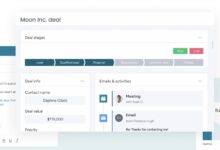
Manual tracking of leads, follow-ups, and deals is inefficient and error-prone. A robust Sales CRM software for small business centralizes all customer interactions, ensuring no opportunity slips through the cracks. From initial contact to closing the deal, every step is logged, tracked, and optimized.
- Automated lead capture from websites, emails, and social media
- Customizable sales pipelines that mirror your unique process
- Task reminders and follow-up automation to keep momentum
According to Salesforce’s State of Sales Report, high-performing sales teams are 2.2x more likely to use CRM systems effectively. The data doesn’t lie—automation drives results.
Improving Customer Relationships
Customer retention is often more profitable than acquisition. A good CRM helps you understand your customers deeply by storing their purchase history, communication logs, preferences, and pain points. This enables personalized interactions that build trust and loyalty.
“A CRM isn’t just about managing contacts—it’s about managing relationships.” — HubSpot
For small businesses, this personal touch can be the difference between a one-time buyer and a lifelong advocate. With Sales CRM software for small business, you can send targeted emails, track service requests, and anticipate needs before they’re voiced.
Top 7 Features to Look for in Sales CRM Software for Small Business
Not all CRMs are created equal. Choosing the right one means focusing on features that align with your business size, goals, and workflow. Here are the seven most critical features to prioritize.
1. Lead and Contact Management
The foundation of any CRM is its ability to organize leads and contacts. Look for software that allows you to segment contacts by source, behavior, or lifecycle stage. This helps tailor your outreach and improve conversion rates.
- Import contacts from email, spreadsheets, or integrations
- Tag and categorize leads based on interest or potential
- Duplicate detection to maintain clean data
Tools like Zoho CRM offer AI-powered lead scoring, helping you focus on the hottest prospects first.
2. Sales Pipeline Visualization
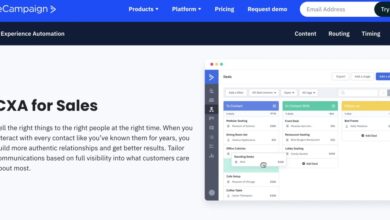
A visual sales pipeline gives you real-time insight into where each deal stands. Whether it’s a simple Kanban board or a multi-stage funnel, this feature helps identify bottlenecks and forecast revenue accurately.
- Drag-and-drop deal movement between stages
- Color-coded deals by value or urgency
- Real-time updates across team members
This transparency is crucial for small teams where everyone needs to stay aligned without constant meetings.
3. Automation and Workflow Tools
Time is your most valuable asset. Automation eliminates repetitive tasks like sending follow-up emails, assigning leads, or updating deal stages. The best Sales CRM software for small business lets you create custom workflows with minimal technical know-how.
- Automated email sequences based on user behavior
- Task assignments when a lead reaches a certain stage
- Auto-updating fields based on form submissions or calls
For example, if a lead downloads a pricing guide, the CRM can automatically tag them as “high intent” and trigger a personalized email from the sales rep.
How Sales CRM Software for Small Business Boosts Productivity
Small teams can’t afford inefficiency. Every minute saved is a minute reinvested into growth. CRM systems act as force multipliers by reducing administrative overhead and increasing focus on high-value activities.
Reducing Manual Data Entry
Data entry is one of the biggest time sinks for sales reps. With CRM integrations, data flows automatically from your website forms, email campaigns, and even phone calls (via VoIP integration).
- Browser extensions to capture contact info with one click
- Email sync to log conversations directly into contact records
- Mobile apps for updating deals on the go
A study by Nucleus Research found that CRM systems deliver an average return of $8.71 for every dollar spent—largely due to time savings and improved efficiency.
Enhancing Team Collaboration
Even solo entrepreneurs benefit from structured collaboration. If you have a small team, a CRM ensures everyone is on the same page. Notes, files, and tasks are shared in real time, reducing miscommunication and duplication of effort.
- Internal commenting on deals or contacts
- Shared calendars and task assignments
- Role-based access control for security
For instance, when a customer service rep resolves an issue, the sales team can instantly see the update and use it as a touchpoint for upselling.
Top 5 Sales CRM Software for Small Business in 2024
With so many options, choosing the right CRM can feel overwhelming. We’ve narrowed it down to five top contenders that deliver exceptional value, ease of use, and scalability for small businesses.
Sales CRM software for small business – Sales CRM software for small business menjadi aspek penting yang dibahas di sini.
1. HubSpot CRM
HubSpot offers a free, powerful CRM that’s perfect for startups and growing businesses. Its intuitive interface and robust free tier make it a favorite among small business owners.
- Free forever plan with core CRM features
- Seamless integration with marketing, sales, and service hubs
- Excellent email tracking and meeting scheduling tools
Learn more at HubSpot CRM.
2. Zoho CRM
Zoho CRM combines affordability with advanced features like AI-powered sales assistant (Zia), workflow automation, and multi-channel communication.
- Highly customizable for different industries
- Strong mobile app for field sales teams
- Integrates with over 40 Zoho apps and third-party tools
Visit Zoho CRM to explore pricing and features.
3. Salesforce Essentials
Salesforce, the CRM giant, offers a simplified version tailored for small businesses. It’s ideal if you plan to scale and want enterprise-grade reliability from day one.
- Up to 10 users supported
- Pre-built sales processes and templates
- Access to Salesforce AppExchange for add-ons
Check out Salesforce Essentials for small business solutions.
Integrations: Making Your Sales CRM Software for Small Business Even Smarter
A CRM doesn’t work in isolation. Its true power emerges when it connects with other tools you already use—email, calendars, marketing platforms, and accounting software.
Email and Calendar Sync
Syncing your CRM with Gmail or Outlook ensures every email and meeting is automatically logged. This eliminates manual entry and provides a complete communication history.
- One-click logging of emails to contact records
- Scheduled follow-ups based on calendar events
- Meeting links auto-generated and tracked
HubSpot and Zoho both offer seamless two-way sync, making it effortless to stay organized.
Marketing Automation Integration
Your CRM should feed into and receive data from your marketing tools. When a lead clicks a link in your newsletter, that action should update their score in the CRM.
- Sync with Mailchimp, ActiveCampaign, or HubSpot Marketing Hub
- Track campaign performance by lead source
- Trigger CRM workflows based on marketing engagement
This closed-loop system helps you measure ROI and refine your strategies over time.
How to Choose the Right Sales CRM Software for Small Business
Choosing a CRM isn’t just about features—it’s about fit. The best tool for your business depends on your team size, budget, industry, and long-term goals.
Assess Your Sales Process
Map out your current sales cycle. How many stages are there? Where do leads typically get stuck? What tools are you using now? This audit will help you identify gaps a CRM can fill.
- Define key stages: lead, qualified, proposal, negotiation, closed-won/lost
- Identify manual tasks that can be automated
- Determine reporting needs (e.g., monthly sales, conversion rates)
A CRM should mirror your process, not force you to change it unnecessarily.
Consider Scalability and Support
Start small, but think big. Will the CRM grow with you? Can it handle more users, more data, and more complex workflows?
- Look for tiered pricing that scales with features
- Check availability of customer support (chat, phone, email)
- Review training resources: video tutorials, webinars, knowledge base
For example, Salesforce Essentials starts small but allows migration to full Salesforce as you grow.
Common Mistakes to Avoid When Implementing Sales CRM Software for Small Business
Even the best CRM can fail if implemented poorly. Avoid these common pitfalls to ensure a smooth rollout and high adoption.
Skipping User Training
Assuming your team will “figure it out” leads to frustration and underuse. Invest time in onboarding and ongoing training.
- Run live demos and hands-on sessions
- Assign a CRM champion within the team
- Provide quick-reference guides and FAQs
According to Capterra, 46% of CRM failures are due to lack of user adoption—often stemming from poor training.
Sales CRM software for small business – Sales CRM software for small business menjadi aspek penting yang dibahas di sini.
Over-Customizing Too Early
It’s tempting to tweak every field and workflow on day one. But over-customization can lead to complexity and confusion.
- Start with default settings and proven templates
- Iterate based on real usage and feedback
- Only customize what directly impacts your sales process
Let the CRM prove its value before diving into advanced configurations.
Measuring Success: Key Metrics Tracked by Sales CRM Software for Small Business
A CRM isn’t just a tool for managing contacts—it’s a powerful analytics engine. Use it to track performance, identify trends, and make data-driven decisions.
Sales Conversion Rates
Track how many leads turn into customers at each stage. A CRM can show you where drop-offs occur, helping you refine your approach.
- Lead-to-opportunity conversion rate
- Opportunity-to-close rate
- Average deal size over time
Improving conversion rates by even 5% can significantly boost revenue.
Customer Acquisition Cost (CAC)
By linking CRM data with marketing spend, you can calculate how much it costs to acquire a customer. This helps optimize budget allocation.
- Track lead source effectiveness
- Compare CAC across campaigns
- Identify high-ROI channels
For small businesses, minimizing CAC is critical for sustainable growth.
What is the best Sales CRM software for small business?
The best CRM depends on your specific needs. HubSpot CRM is excellent for free, all-in-one functionality. Zoho CRM offers great value with advanced automation. Salesforce Essentials is ideal for businesses planning to scale. Evaluate based on ease of use, integration, and support.
Is a CRM worth it for a small business?
Absolutely. A CRM saves time, improves customer relationships, and increases sales efficiency. Even solopreneurs benefit from organized contact management and automated follow-ups. The ROI is clear: better data, better decisions, better results.
How much does Sales CRM software for small business cost?
Prices vary widely. Many CRMs offer free plans (like HubSpot). Paid plans typically start at $10–$25 per user per month. Some, like Zoho CRM, offer tiered pricing with advanced features at higher tiers. Always consider the long-term value, not just the sticker price.
Can I use a CRM if I have no technical skills?
Yes! Most modern CRMs are designed for non-technical users. They feature drag-and-drop builders, intuitive interfaces, and extensive support resources. Many offer free onboarding and tutorials to get you started quickly.
How long does it take to implement a CRM?
Basic setup can take as little as a few hours. Full implementation with data migration, team training, and workflow setup may take 1–4 weeks. Starting with a phased approach—onboarding one team or process at a time—can reduce disruption.
Choosing the right Sales CRM software for small business isn’t just a tech decision—it’s a strategic move toward sustainable growth. From automating tedious tasks to gaining deep customer insights, the right CRM empowers small teams to compete with larger players. By focusing on key features, avoiding common mistakes, and measuring performance, you can turn your CRM into a revenue-driving engine. The future of small business sales isn’t about working harder—it’s about working smarter.
Sales CRM software for small business – Sales CRM software for small business menjadi aspek penting yang dibahas di sini.
Further Reading: